Is Your Home Audio Setup Good Enough for Hybrid Work, Streaming, and Everyday Listening?
Home audio isn’t just about music anymore—it’s part of work, streaming, gaming, podcasts, and family life all at once. In my experience as an IT pro, the biggest upgrade is often not the priciest speaker, but the one that fixes real problems like voice clarity, room echo, or uneven volume. This guide shares practical buying advice, setup tips, and a quick comparison of smarter gear versus a more traditional approach.
What Makes a Home Audio System Actually Worth Buying?
When I look at home audio, I start with the basics: clarity, channel support, input and output flexibility, signal processing, and how easily the gear fits into the devices you already own. A good setup should handle voice and music differently. For meetings, you want clean mids and strong intelligibility; for movies or playlists, you want controlled bass and enough headroom so the sound doesn’t crackle when the volume goes up.
Digital signal processing, or DSP, matters more than people expect. In rooms with glass tables, hard floors, open layouts, or speakers placed a little awkwardly, DSP can tame reflections and make audio feel more natural. I’ve seen plenty of people chase “bigger sound” when what they really needed was better speech clarity. That’s especially true in a hybrid work setup, where hearing every word beats feeling the bass shake the wall. Compatibility is another big one. A system that works with both analog and digital sources usually saves a lot of headaches later, especially if you’re mixing a TV, laptop, console, or streaming box. If you’re browsing options in a broader home audio category, it helps to compare these practical features before you get distracted by flashy numbers. Features only matter when they match the room and how you’ll actually use the system.Why Value Beats Spec Sheets in the Real World
The best home audio buys usually simplify life. That’s the real value. Better audio can reduce listener fatigue during long calls, make movies feel more immersive, and let family members share one space without the constant “can you turn it down?” conversation. In my experience, the smartest purchases solve three problems at once: messy audio gets cleaned up, connections become more reliable, and those annoying moments where everything seems too quiet happen less often.
Premium gear is tempting, sure, but it isn’t always worth it if the room is small or the use case is casual playback. A compact apartment, a spare bedroom office, or a basic living room often doesn’t need a studio-grade system. Meanwhile, market trends keep pushing people toward hybrid work and multi-purpose rooms, so value now means flexibility, not just raw output. A quick win is to upgrade one piece of the chain instead of replacing everything. A better amplifier, or a well-tuned DSP, can often improve the whole experience more than a full speaker swap. That’s usually the move I recommend first. Good value is long-term usefulness, not the lowest sticker price on day one.Where Home Audio Shines: Everyday Use Cases That Matter
Home audio earns its keep in everyday situations. A dedicated office needs clear sound for Zoom calls and webinars. A living room that doubles as a family media zone needs balanced playback so nobody has to keep reaching for the remote. A small content studio benefits from accurate monitoring, and a gaming setup needs directional clarity so voices, effects, and footsteps don’t blur together. If you want to see how audio habits shape collaboration spaces, the practical gear choices in related AV setups are worth a look.
Speech-heavy content is where clarity really matters—online classes, remote collaboration, even podcasts while you’re making coffee. A well-tuned system also helps when multiple people share the same room. No one wants to crank the volume just to catch dialogue during a Friday-night movie. Seasonal use cases matter too. Holiday gatherings, summer movie nights, and back-to-school remote learning all put different demands on the same system. Sometimes a simple soundbar is enough. On the other hand, if the room has multiple sources and mixed devices, more flexible gear makes life easier. Home audio is part utility, part comfort, and part productivity, and that mix is why it matters so much now.How to Choose the Right Setup Without Overbuying
Start with room size, then decide the main use case, then check source compatibility, and finally think about expansion. That order keeps you from overspending on features you’ll never touch. Larger rooms may benefit from DSP, multiple outputs, or cleaner signal routing, while smaller rooms often do just fine with a compact solution. Budget matters, of course, but so does not buying twice.
Here’s a simple checklist I use: count your sources, note whether you need analog and digital support, measure the space, and decide whether voice clarity or bass performance matters more. If the audio sounds muddy, the problem may be the room acoustics rather than the speakers. Echo, bare walls, and poor placement can make even decent gear sound disappointing. There’s also a sustainability angle here. Buying the right gear the first time cuts waste and keeps old equipment from ending up forgotten in a closet. And honestly, that happens more than people admit. The best setup is the one that fits your daily routine—not the one with the longest spec sheet.ATEN AD004E vs a Traditional Analog Line Mixer: Which Fits Better?
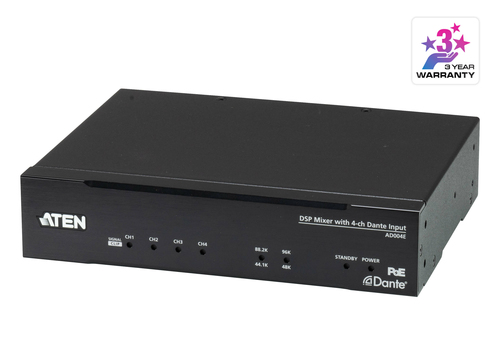
If you’re comparing the ATEN AD004E Digital Signal Processor (DSP) with a traditional analog 4-channel line mixer, the main difference is flexibility. The AD004E converts Dante inputs into 4-channel analog line outputs, which is a big deal when you want to bridge digital and analog devices in one system. With Dante AoIP integration, routing is cleaner, scaling is easier, and cable clutter drops fast. That’s especially useful in a more integrated AV setup with multiple sources. See how the ATEN AD004E fits a modern home audio system.
A basic analog mixer is simpler to understand and can still be a smart choice for smaller homes, casual music playback, or a straightforward stereo room. But if you’re mixing work calls, media, and a few different devices, the AD004E usually gives you more room to grow. It’s the classic tradeoff: simplicity versus adaptability. For a simple setup, analog is fine. For a modern hybrid space, the DSP approach often wins.How to Set Up a Better Home Audio System Step by Step
A better home audio setup starts with a simple process: 1) identify your main audio sources, 2) map the room and speaker positions, 3) decide whether you need analog, digital, or hybrid connectivity, 4) connect the device chain in the correct signal flow, and 5) test volume and clarity at normal listening levels. If you’re using a DSP like the ATEN AD004E, verify input levels first so you don’t end up amplifying noise later.
One rule I always follow: change one thing at a time. If you tweak speakers, gain, EQ, and placement all at once, troubleshooting gets messy fast. Label your cables, keep power and audio lines separated when possible, and check for room echo before blaming the hardware. That little step saves a lot of frustration. If the sound is harsh or thin, adjust EQ or gain staging before shopping for new speakers. Often, that’s the real fix. Quick wins include using presets, saving preferred settings, and documenting the setup so future changes are easier. It’s a small habit, but it pays off every time you add a new device.Conclusion
The best home audio system should feel easy, not complicated. That’s the main takeaway. Focus on clarity, compatibility, and real-world value instead of chasing flashy specs that look great on paper but don’t improve daily life. A solid setup can make work calls cleaner, family entertainment more enjoyable, and everyday listening less tiring.
Premium gear can absolutely be excellent, but only when it matches the room and the user’s needs. Otherwise, it’s just expensive overkill. From an IT pro point of view, the most successful upgrades are usually the ones that reduce friction. Less fiddling, fewer dropouts, better voice intelligibility—that’s the stuff people remember. So think about your space, your main use case, and whether you need more flexibility or just a cleaner signal path. If you’re ready to improve how your home sounds today, explore the right options in the home audio category and choose a system that fits now, with room to grow tomorrow.Frequently Asked Questions
Common questions about Home Audio